
Tag: dance
-
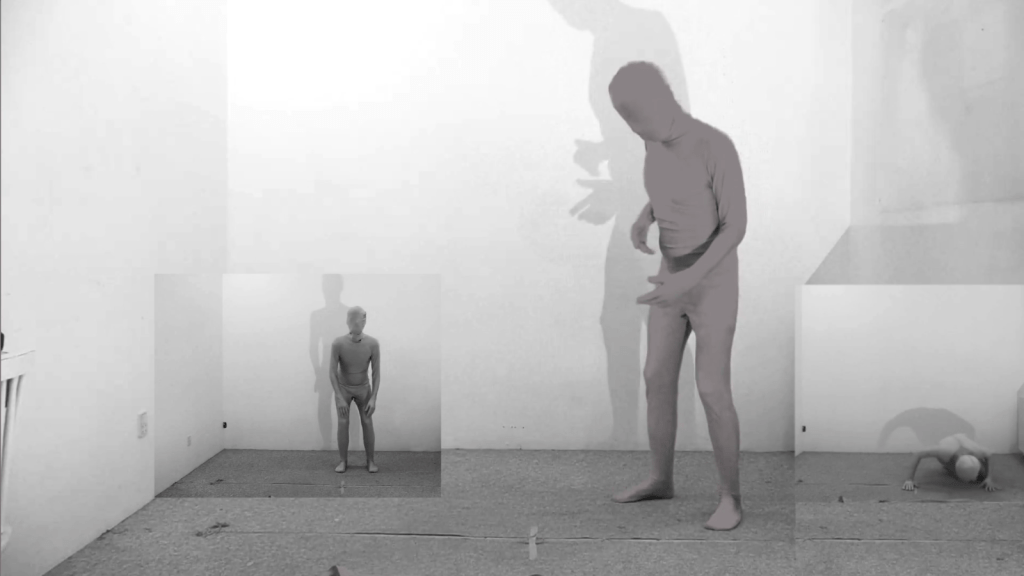
A method for corporeal analysis? (You’re not alone)
After three days of experiments with corporeal analysis, I can see some patterns for a possible method : Pre-analysis. What are the most important parameters at play in the material? In my case, I found 3: 1) Initiative. Who decides what to do (in the detail), A. the children themselves or B. the adults? 2)…
-
Fieldwork on fieldwork, day III
See my former two posts in this ‘trilogy’: Using my body as an analytical tool – is there anybody out there? Necessary mistakes on the path to an embodied analysis Read/see/listen more about my methodological reflections here: –>
-
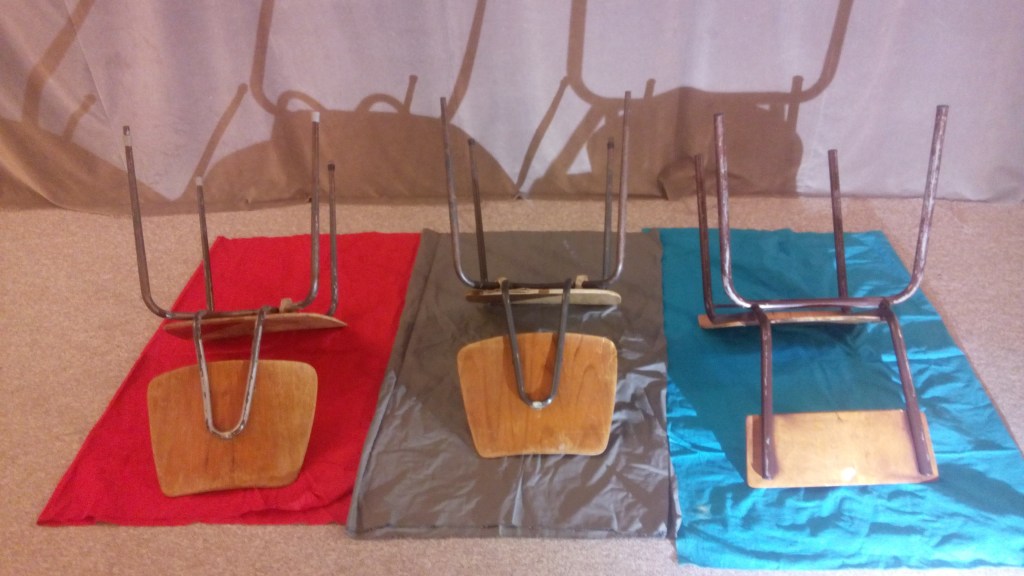
Necessary mistakes on the path to an embodied analysis
Day one in ethnographic fieldwork into my ethnographic material. These are my video journals from today, where I document the process of my analytical work: As you can see in Journal I, above, I have used a logic of parameters to do a pre-sorting of my material. What are the most important factors in play…
-
Using my body as an analytical tool – is there anybody out there?
“I have conducted an ethnographic fieldwork in a public school, in a reception class, with children aged 7 – 9. I now have a lot of empirical material to analyze. I have fieldnotes, sound recordings, some photos etc. Read more about my studies in Educational Anthropology I have a question to you, and I need…
-
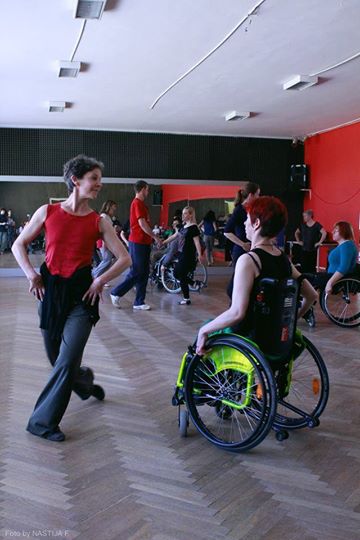
Dance: finding the balance of the self within the group
Casper: Becky please tell us something about the path that led you to start working with people with chronic illness and/or disability. Becky: I had a growing sense that I wanted to help people that were suffering, through dance. It was so clear to me that dance is so therapeutic. All dancers know how we…
-
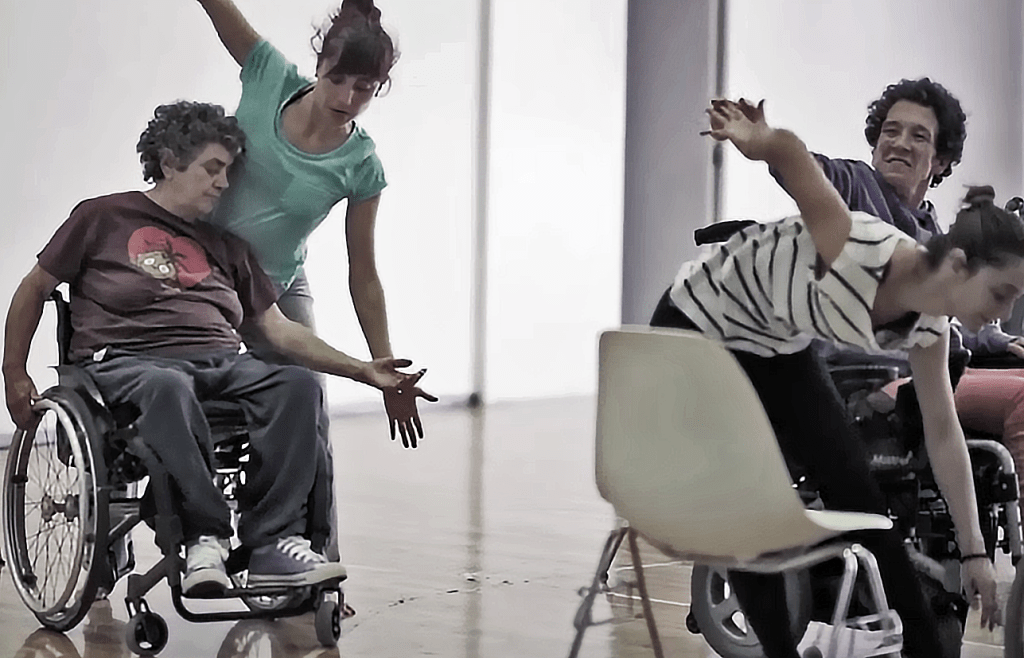
That is me, in the wheelcha-cha
(To see the video with English subtitles, click the Youtube icon) This is a very moving and inspiring project. I have seen the video about 10 times, and I find that what I am seeing is something that we need more and more in our time: empathy, creativity, acceptance, trust, and meaning. This is of course…
-
Building sound collectives – a workshop concept
Building Sound Collectives is a workshop designed for creating cultural sustainability in groups of people. We work with non-verbal expressions, and play with sound and gesture as a means to develop our capacity of creating new cultural expressions.
-
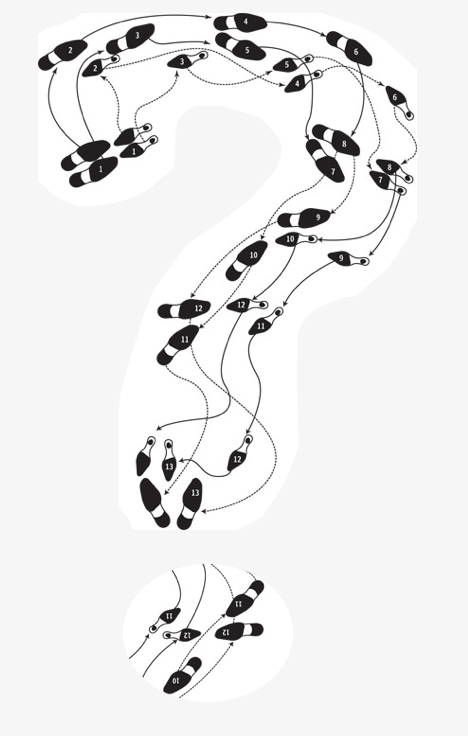
How do we store the analogue?
Why is it so important to store analogue knowledge? Because our collectives with their extended analogue illiteracy waste to much energy and develop too many negative behaviours, instead of inspiring people to solve common problems in sustainable ways. Developing sustainable forms of analogue interaction is crucial to our collectives, but without an efficient method of…
 Building Sound Collectives